 Posted by
👗 Clothes & Costumes: Your Interactive Guide to Trends, Sustainability & Perfect Fit
From the thrill of dressing up to the everyday choices in our wardrobes, clothing and costumes shape identity, culture, and the planet. Dive into interactive tools that help you pick a costume idea, measure your fashion footprint, convert sizes globally, and voice your fabric preferences — all backed by the latest data and expert insights.
✨ What Should Your Next Costume Be?
Choosing a costume is more than picking a character—it is a blend of self-expression, cultural narrative, and performance. The global cosplay market alone is valued at roughly $4.6 billion, growing as events like Halloween, cosplay conventions, and themed parties surge in popularity. In fact, the National Retail Federation estimates billions of dollars are spent on Halloween costumes annually, with adults participating more than ever. Meanwhile, the global cosplay sector is a multi‑billion dollar industry driven by a global passion for embodying characters from games, anime, and movies.
Psychologists note that clothing and costumes heavily influence mood, cognitive function, and behavior while allowing individuals to explore alternate identities and boost confidence. This phenomenon, often studied as "enclothed cognition," demonstrates that wearing specific items activates distinct psychological qualities associated with those garments. Whether you want to feel scary, whimsical, or regal, the right outfit can transform an evening.
The costume generator below uses themed logic and a touch of randomness to spark your next show‑stopping look. It relies on the fact that unique personality and character traits can be directly translated into outfits through specific colors, textures, and patterns, blending tradition with contemporary pop culture.
Costume design also intersects with sustainability. The Fashion Revolution transparency movement reminds us that costume purchases have ethical and environmental footprints. Renting, swapping, or upcycling materials can reduce waste significantly, with the global second‑hand apparel and pre‑owned market expected to reach $350 billion by 2028, according to resale market analysis released by ThredUp.

🌿 Your Clothing Sustainability Calculator
Every garment we buy has a hidden environmental price. The fashion industry consumes an estimated 93 billion cubic meters of water annually—enough to meet the basic needs of five million people—and is responsible for about 10% of global carbon emissions, which is more than international flights and maritime shipping combined. A single cotton T‑shirt can require 2,700 liters of water across its lifecycle. Yet, consumer choices can move the needle: choosing organic, recycled, or durable fabrics, and wearing clothes longer dramatically reduces your personal footprint.
Our calculator estimates annual water and carbon impacts based on your wardrobe habits, then compares them with global averages. The tool uses lifecycle data adapted from Carbon Trust footprint methodologies and Textile Exchange material impact reports. Each fabric's water and carbon coefficients are averages across production stages—from raw material cultivation to manufacturing. The interactive chart visualizes your footprint against typical values, making the impact of a single garment tangible.
Research by WRAP (Waste and Resources Action Programme) underscores that extending the active life of a garment by just nine months can reduce its carbon, water, and waste footprints by 20–30%. Small daily habits add up: washing in cold water, air‑drying, and repairing can slash a garment's lifetime energy use by half. The circular economy in fashion, championed by industry leaders, requires both innovation and mindful consumer behavior.
Vote for your favorite eco‑fabric below and see how others are voting. The poll results update live and are stored on your device.
Which sustainable fabric do you prefer most?

📏 Global Clothing Size Converter
The lack of universal clothing sizing causes significant inconsistencies, with sizes varying wildly within the same brand and across international markets due to vanity sizing and different fit models. Although the ISO 8559 standard aims to provide a consistent global framework, its adoption by corporations remains slow. For more details, visit the ISO report on sizing standards at ISO.
Our converter uses the most common international equivalences for women's and men's apparel, helping you find your match whether you're ordering from London, Paris, Tokyo, or Sydney. The conversation around sizing has also evolved towards body inclusivity, with brands increasingly offering extended size ranges. When in doubt, measure your bust, waist, and hips and consult the brand's specific chart.
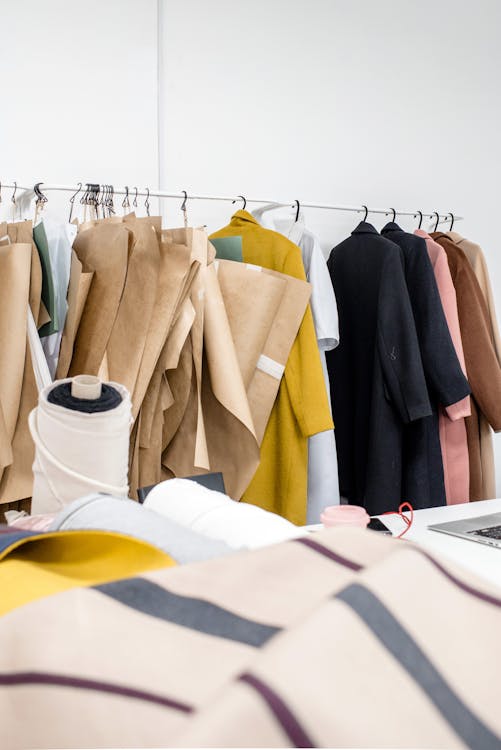
Clothing and costumes are powerful tools — they let us celebrate, protest, express creativity, and protect ourselves from the elements. Whether you're hunting for the perfect Halloween ensemble, auditing your wardrobe's environmental impact, or simply trying to buy a jacket that fits across continents, the numbers and knowledge matter. Keep exploring, swapping, and choosing mindfully. The future of fashion is interactive, inclusive, and green.
Disclaimer: This blog post is for informational and entertainment purposes only. The interactive tools provide estimates based on general industry data and should not be considered professional advice. Always consult a qualified expert for specific concerns.
Image credits: All photos sourced from Pexels.

comment 0 Comments
visibility