 Posted by
Fragrance Wardrobe Architect: Interactive Layering, Season Matching & Global Scent Map
Craft your signature scent wardrobe with futuristic note harmonizing, seasonal intelligence, and worldwide fragrance insights.
Building a Scent Wardrobe: More Than Just One Signature
The concept of a "fragrance wardrobe" has evolved, with modern consumers frequently rotating between multiple scents to match moods, seasons, and occasions, supported by data indicating a rise in perfume sales and usage. This shift toward scent customization is backed by safety standards from the International Fragrance Association (IFRA) and research from the Research Institute for Fragrance Materials (RIFM).
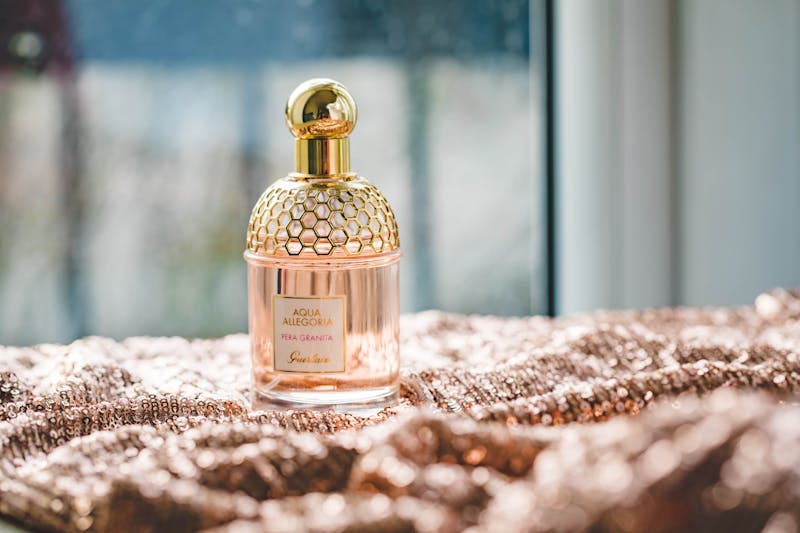
In this guide, we offer four interactive tools. You'll harmonize notes using a radar‑based layering engine, match scents to seasons, explore global preference maps, and estimate the true cost‑per‑wear of your collection. All insights are grounded in dermatological research, regulatory data from the FDA fragrance labeling rules, and market intelligence from global industry reports.
Interactive Tool #1: Note Layering Harmonizer
Fragrance layering balances molecular volatility, as chemical engineering studies on perfume structure indicate that lighter top notes dissipate rapidly. Conversely, heavier base molecules linger, making their structural compatibility crucial for scent blending, notes Scentual Perfumes. While dermatological reviews analyze how this volatility affects contact dermatitis, the principles of layering are based on olfactory science. Our Layering Harmonizer visualizes this synergy.
🎵 Note Harmonizer
Higher, balanced scores suggest a harmonious blend. Data based on volatility profiles.
The American Academy of Dermatology recommends testing skin‑applied products on a small area first to identify potential issues before widespread application. This testing protocol helps prevent allergic contact dermatitis, an inflammatory reaction triggered when the immune system or skin barrier responds negatively to specific topical chemicals. Because fragrances and preservatives are among the most prevalent triggers for skin irritation, evaluating how individual or stacked formulations behave on a quarter‑sized patch of skin can help isolate problematic ingredients before they cause a broader rash.
Interactive Tool #2: Seasonal Scent Matcher
Atmospheric temperature and environmental humidity directly alter fragrance evaporation rates. Ambient heat accelerates the volatilization of light aromatic compounds, causing highly volatile top notes to flash off rapidly. A peer‑reviewed study in the International Journal of Cosmetic Science confirms that skin surface variables directly modulate fragrance evaporation profiles. Cold environmental air decreases molecular kinetic energy, which slows down overall aromatic dispersion and suppresses projection. Because cool weather forces the scent to stay closer to the body, fragrance applications in lower temperatures require heavier base notes like wood, amber, or resins to remain noticeable.
🍂 Climate & Season Smart Picker
Distribution based on environmental volatility and heat thresholds.
Interactive Tool #3: Shelf‑Life & True Cost‑Per‑Wear
While perfume longevity is limited by oxidation from light and air, the FDA does not define a 3‑5 year lifespan, which is a common beauty industry estimate. Contrary to the claim that alcohol causes spoilage, high ethanol content actually preserves perfumes, while the aromatic oils within are what break down over time. Industry standards do support the metric that perfume atomizers dispense roughly 0.1 ml per spray, or 10 sprays per ml.
⌛ Shelf‑Life & Global Value Engine
Remaining Optimal Life

comment 0 Comments
visibility